PICKS are stories from many sources, selected by our editors or recommended by our readers because they are important, surprising, troubling, enlightening, inspiring, or amusing. They appear on our site and in our daily newsletter. Please send suggested articles, videos, podcasts, etc. to picks@whowhatwhy.org.
|
Listen To This Story
 |
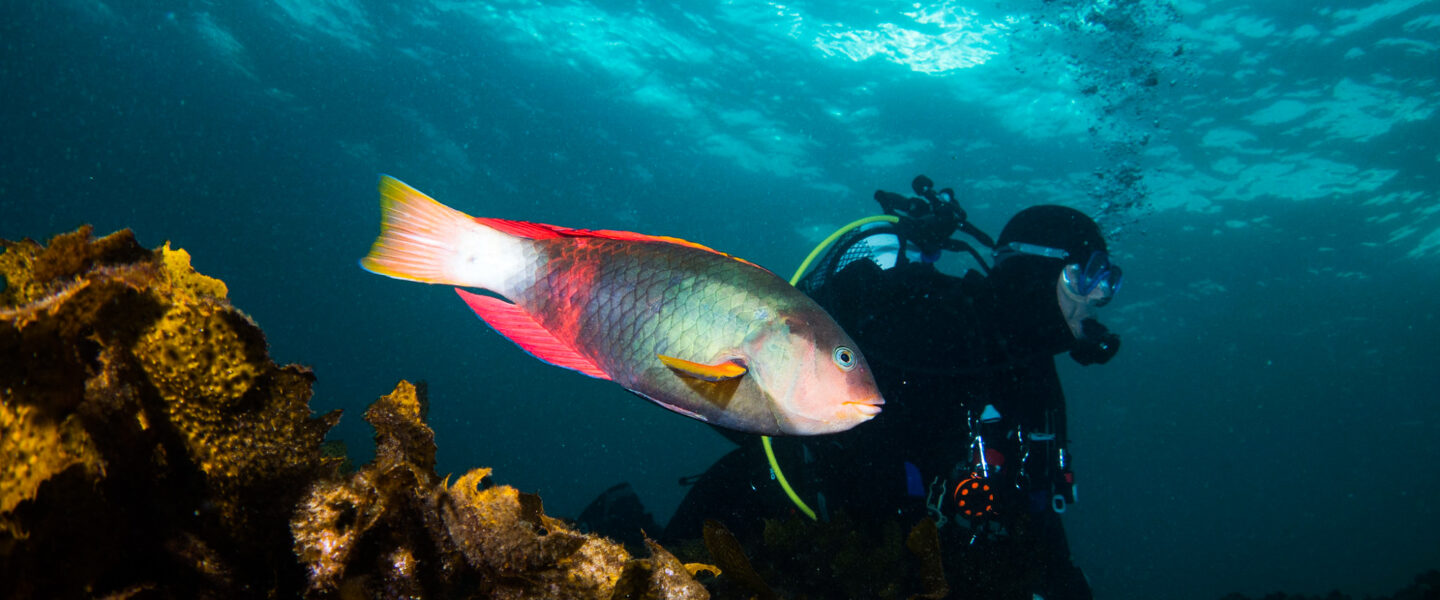
Collapse To Recovery: Are Tipping Points Nature’s Superpower? (Maria)
The author writes, “From the slowing of the Atlantic Meridional Overturning Current (AMOC) to the dieback of the Amazon rainforest, the natural world is approaching a series of dangerous thresholds — moments at which critical ecosystems are pushed beyond their limits to points impossible to reverse. A new paper, published in the journal Nature Sustainability, argues that the same mechanisms driving that ecological collapse can — under the right conditions — work in reverse. … and may be one of the most powerful tools for conservation.”
Elon Musk explodes: Calls OpenAI CEO ‘Scam’ Altman for ‘Looting’ a Charity for Billions (Sean)
The author writes, “Elon Musk unleashed a blistering attack on billionaire OpenAI CEO Sam Altman, branding him a ‘scam’ artist who ‘looted’ a non-profit charity he helped fund, escalating their long-simmering feud into federal court. This stems from escalating tensions between Tesla/SpaceX CEO Elon Musk and OpenAI co-founder Sam Altman.”
Who’s Fooling Whom? How the SPLC Indictment Works (DonkeyHotey)
From Emptywheel: “I want to return to the SPLC Indictment, to explain a bit more about how the DOJ appears to have charged this, in part to show that the indictment doesn’t always clarify who was allegedly fooling whom.”
Don’t Tell Your AI Chatbot These 5 Things To Keep Your Money Safe (Russ)
From The Washington Post: “Artificial intelligence tools have made financial advice more accessible, but they have also created a significant privacy risk. Millions of Americans are turning to AI chatbots for help with their finances, asking about budgets, debt payoff plans, retirement strategies and investment options. In many cases, AI can be useful. But here’s the problem: To get specific answers, people are sharing too much; the kind of data that, in the wrong hands, could empty a bank account or lead to identity theft.”
Large Spiders the Size of Your Palm Are Popping Up Across the US Here’s Why You Shouldn’t Be Afraid (Reader Steve)
From the Los Angeles Times: “There is a spider making a home in Southern California that’s the size of your palm and soars through the air riding the wind. Although the Joro spider, an invasive species that has been spotted across the United States, including in California, isn’t dangerous, its size and the web it creates can seem like props from a horror movie. ‘They’re not medically significant,’ said Pat Wooden, the insect identification lab manager at Virginia Tech. ‘They’re great big bugs, but they’re not going to bite you and cause terrible damage. They’re established really well, so there isn’t a whole lot we can do against them. Their spider webs can get up to 10 feet.’”
Curiosity Finds Molecules Needed for Ancient Life on Mars (Dana)
The author writes, “A first-of-its-kind chemical experiment on Mars indicates that our nearest planetary neighbor still preserves remnants of ancient organic molecules necessary for creating life. Although researchers still need to see this type of evidence firsthand, a team writing in the journal Nature Communications on April 21 says that the evidence marks a major moment in the search for extraterrestrial life in our solar system.”